

To characterize the impact of thyroid eye disease (TED) on quality of life (QOL), activities of daily living and mental health, we launched ElevaTED, a comprehensive survey of adults in the United States diagnosed with TED. Among the 204 participants who completed the survey, the average age was 50 years and 74% were female.

Highlights From the ElevaTED Survey

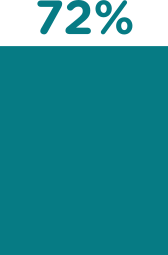
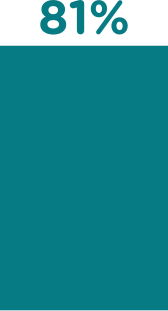
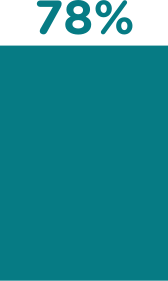
Regardless of duration of TED, most reported experiencing at least 1 moderate-to-severe symptom in the prior month, (moderate/severe symptoms, n=146)
72%
≤15 months
81%
>15-35 months
78%
≥36 months
% of respondents experiencing moderate-to-severe symptoms in prior month by time since start of first symptoms
3
Mean number of symptoms experienced over the past month
6
Mean number of symptoms experienced at any time


% of respondents experiencing moderate-to-severe symptoms in prior month by time since start of first symptoms
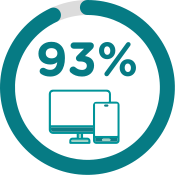
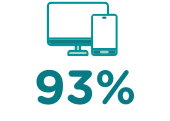
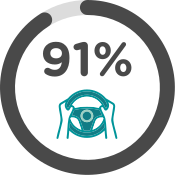
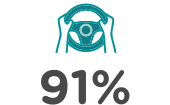
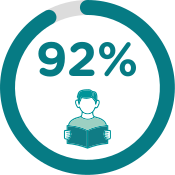
Activities of Daily Living Most Frequently Affected Over the Past Month (moderate/severe symptoms, n=146)
93%
93%
were limited in ability to use electronic devices
91%
91%
were limited in ability to drive
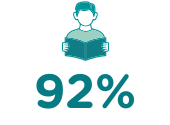
92%
92%
were limited in ability to read
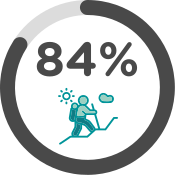
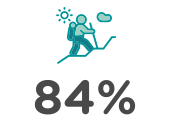
83%
83%
were limited in ability to do activities or be outside
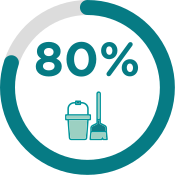
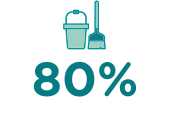
79%
79%
were limited in ability to do household chores
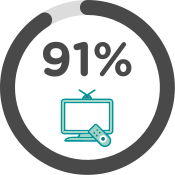
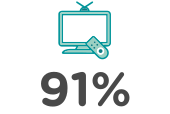
91%
91%
were limited in ability to watch TV
Based on answers of “Limited” or Seriously Limited” when asked, “During the past month, were you limited in carrying out the following activities because of your TED?” Based on questions from GO-QoL subscales and expert physician input.
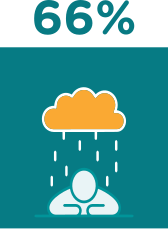
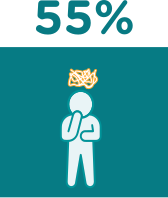
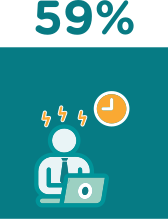
Validated Measures of Mental Health, Sleep, and Work Over the Past Month (moderate/severe symptoms n=146). People living with TED reported:
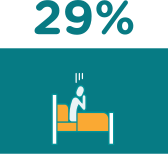
29%
Sleep Disturbances

(score of >11 on Jenkins Sleep Score)
66%
Depression

(moderate to severe on PHQ-9)
55%
Anxiety 

(moderate to severe on GAD-7)
59%
Work Impairment

(>50% overall work impairment on WPAI)
Of those employed (n=82).
The majority of respondents want to discuss QoL and the impacts of TED, in addition to their symptoms, with their physicians.

Look at the ElevaTED Survey in Depth

View Survey Results

Understanding the TED Journey

The Viridian team met with a group of people affected by TED to gain a deeper understanding about their lived experiences. Here is a snapshot of what we learned:
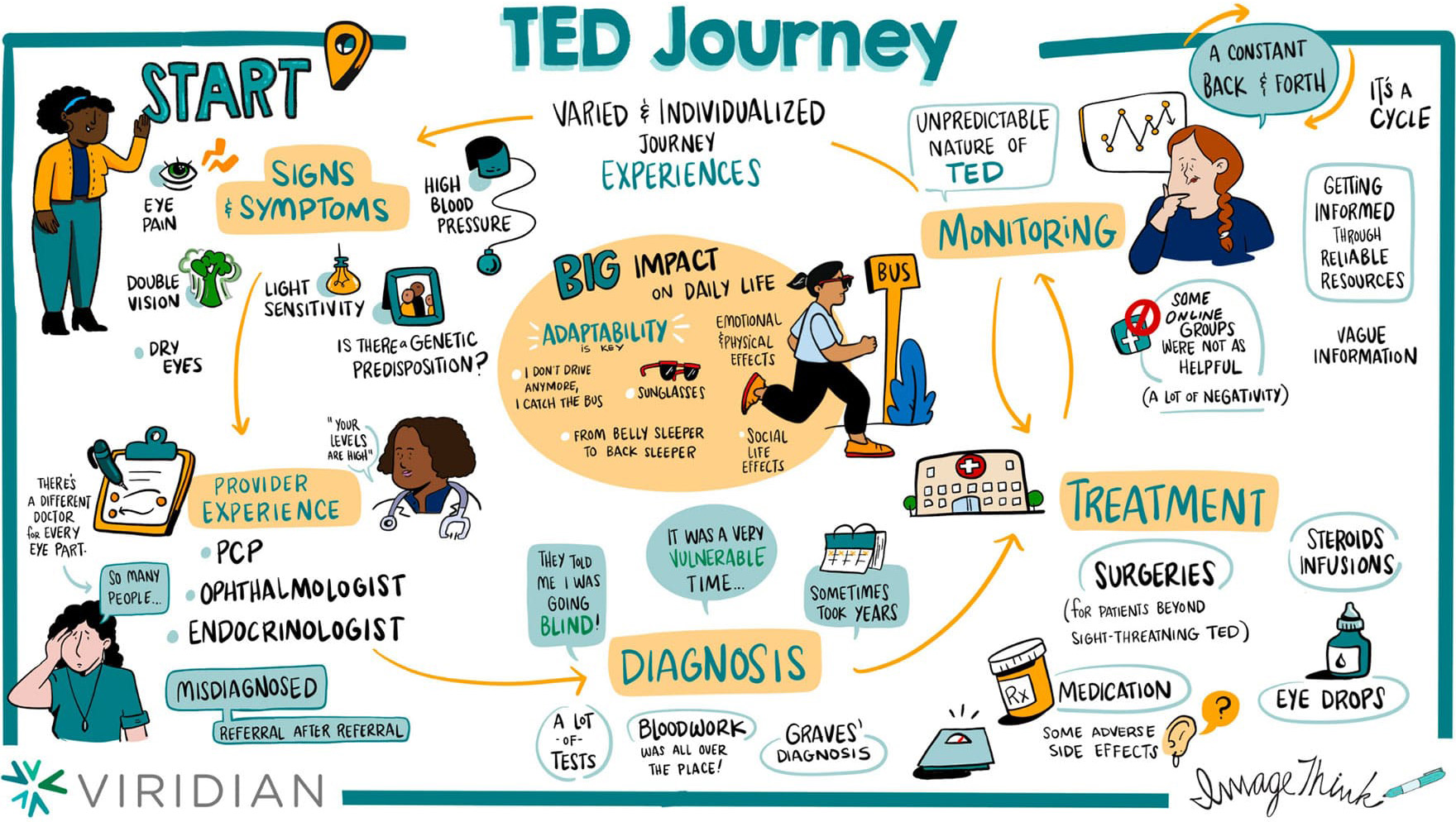
Graphic displaying the TED patient journey including initial signs and symptoms, provider experiences, diagnosis, treatment, and monitoring.

Material is intended for educational purposes and does not constitute diagnosis or treatment recommendations. Please speak with a healthcare professional for all medical questions. For more information on Viridian Therapeutics, please visit www.viridiantherapeutics.com or contact the patient advocacy team at patientadvocacy@nullviridiantherapeutics.com
VRDN 11/23
What Is Thyroid Eye Disease?

Thyroid eye disease, commonly referred to as TED, is an autoimmune condition characterized by inflammation, growth, and damage to tissues around and behind the eyes.

Most often, TED occurs when the thyroid gland is overactive. In rare cases, TED can occur in people who have normal or underactive thyroids. An estimated 85% of people with TED also have Graves’ disease. Given the close association between these two autoimmune conditions, TED is sometimes referred to as Graves’ eye disease, Graves’ ophthalmopathy, and Graves’ orbitopathy.

Overview of Thyroid Eye Disease
View

What Are Common Symptoms of TED?

Not everyone living with TED will experience the same symptoms, and the impact of each symptom can vary by individual. Common symptoms include:

Previous Next

In addition to the physical symptoms of TED, people often experience significant psychosocial complications, including depression, anxiety, self-consciousness, and disconnection from friends and family, as well as the inability to work and perform basic daily activities.

Connect With the Thyroid Eye Disease Community

The following organizations offer resources and information on TED:

Trademarks used are the property of their respective owners.

Links to sites outside of this website are provided as a resource to the visitor. The web pages and their content are independently maintained by the third-party organizations listed above. Viridian does not specifically endorse any organization or the content on its website. If you would like your organization to be included in this list, please reach out to us at .

By providing your information, you agree to allow Viridian to collect the name and email address provided and to be contacted by Viridian and its partners using this information.

Connect With Viridian’s Patient
Advocacy & Engagement Team

To learn more about Viridian’s TED clinical development program or to connect with a member of our Patient Advocacy & Engagement team, please email .

By providing your information, you agree to allow Viridian to collect the name and email address provided and to be contacted by Viridian and its partners using this information.

VRDN-2600010 2/26